2026-10-02 · Public Affairs Podcast
First Friday, October 2026: AI, Trust, and What Makes Public Affairs Effective
with Neil Hughes, Host — Public Affairs Podcast
In the October 2026 episode of the Public Affairs Trends podcast, host Neil Hughes discusses the effectiveness of public affairs with guests Katie Harbath, Gerry Gunster, and Megan Bloomgren. Key topics include the impact of artificial intelligence on public trust, the importance of understanding audience needs, and the necessity of measuring outcomes in public affairs efforts. The episode also features news about Zach Laven's promotion at Fulcrum and highlights new research on AI adoption in organizations.
First Friday, October 2026: AI, Trust, and What Makes Public Affairs Effective
AI, Trust, and Public Affairs Effectiveness: Insights from Public Affairs Trends Podcast
October 6, 2026 — The latest episode of the Public Affairs Trends podcast, hosted by Neil Hughes, explores the evolving landscape of public affairs amid advancements in artificial intelligence (AI) and the ongoing quest for effective communication strategies. The episode features insights from industry leaders, including Katie Harbath, Gerry Gunster, and Megan Blomgren, and addresses the importance of preparation, trust, and measurement in public affairs.
Hughes opened the episode by emphasizing the need for public affairs professionals to prepare for crises before they arise. He noted that leaders often face competing priorities and incomplete information during critical moments. “Establishing your values and decision-making criteria beforehand gives you something to work from when that pressure inevitably arrives,” he stated.
Conversations on Technology and Trust
Katie Harbath, CEO of AnkerChange and former Facebook elections lead, discussed her upcoming book, Disrupting Politics. She highlighted the concept of "panic responsibly," which encourages organizations to acknowledge risks associated with AI while continuing to make practical advancements. Harbath raised concerns about how AI selects and personalizes information, stressing that transparency in its use is vital for maintaining public trust.
Hughes noted that public affairs teams should engage in early discussions about the role of AI in their work. “Agree where AI can help, where judgment is essential, and how you will explain your choices,” he advised. Waiting until a controversy arises complicates decision-making processes.
Gerry Gunster, founder and CEO of Gunster Strategies Worldwide, echoed the importance of understanding the audience. He pointed out that while technology has transformed campaigning tools, effective communication still relies on listening to people. “Data can reveal patterns, but human conversations help explain why those patterns exist,” Gunster said. He also warned that agreement within a boardroom does not guarantee consensus outside of it, urging leaders to test assumptions before launching campaigns.
Measuring Outcomes in Public Affairs
Megan Blomgren, a partner at DCI Group, connected the themes of the episode to coalition building and leadership. She emphasized the need to evaluate public affairs efforts based on outcomes rather than activity alone. “Organizations need to understand how that work contributes to their objectives,” she said. Blomgren highlighted the importance of collaboration among communications, government affairs, legal, and senior leadership teams, especially under pressure.
While acknowledging AI's potential for analyzing data, Blomgren maintained that human judgment remains crucial. Hughes summarized the discussions by stating that public affairs professionals should use technology to save time and focus on understanding people and strengthening relationships.
Industry Developments and Research Findings
In industry news, Fulcrum announced the promotion of Zach Laven to principal in its Washington, D.C., office. Laven joined Fulcrum in November 2022 after serving as Deputy Chief of Staff to Arizona Congressman David Schweikert. Fulcrum recognized his policy expertise and strategic insight, underscoring the diverse experience increasingly valued in public affairs.
New research from the Public Affairs Council revealed that 99% of organizations surveyed are currently using AI. However, only 7% reported that AI is embedded in strategic decision-making. The study also found that while 73% of organizations have an AI policy, only 12% have formal metrics to measure AI's impact. Hughes urged leaders to define specific use cases for AI and evaluate success to guide future investments.
Voter Turnout Experiment Insights
The episode concluded with a discussion of a voter turnout experiment conducted by the Centre for Campaign Innovation. The study examined whether text messages could enhance turnout among conservative voters in Virginia's 2025 gubernatorial election. The results indicated a slight increase in turnout among those who received text messages, but researchers cautioned against drawing firm conclusions due to the lack of strong statistical significance.
Hughes emphasized the importance of measurement in public affairs, stating that more contact does not automatically lead to greater impact. He encouraged teams to carefully test timing, audience, and follow-through in their outreach efforts.
As the episode wrapped up, Hughes posed three questions for public affairs professionals to consider: Which assumptions about your audience have you tested? Are your tools helping you make better decisions? Can you connect the activity you measure to the outcomes you desire?
For more insights and interviews, listeners can visit publicaffairestrends.com.
Interview Q&A
Q&A: First Friday, October 2026: AI, Trust, and What Makes Public Affairs Effective
Q: What is the main question discussed in the October edition of First Friday?
A: The main question is what makes public affairs effective in light of more data, technology, and ways to reach people.
Q: What insights did September's guests provide regarding public affairs?
A: They emphasized the importance of preparation before a crisis, listening to the audience, and measuring the impact of public affairs work.
Q: Who is Katie Harbath and what did she discuss in her conversation?
A: Katie Harbath is the CEO of AnkerChange and previously worked at Facebook on global elections. She discussed the importance of preparation and decision-making criteria in crisis situations.
Q: What does the phrase "panic responsibly" refer to in the context of AI?
A: "Panic responsibly" captures the challenge of acknowledging AI's risks while continuing to take practical steps forward.
Q: What did Gerry Gunster emphasize in his conversation about public affairs?
A: Gerry Gunster emphasized the importance of listening to people and the role of credible messengers in effective communication.
Q: What warning did Gerry Gunster provide to business leaders?
A: He warned that agreement in the boardroom does not guarantee agreement outside of it and advised testing assumptions before launching a campaign.
Q: What did Megan Blomgren discuss regarding public affairs outcomes?
A: Megan Blomgren highlighted that organizations need to judge public affairs by its outcomes and understand how their work contributes to objectives.
Q: How did Megan Blomgren connect coalition building to public affairs?
A: She noted that credibility comes from authenticity and diverse members willing to act, which can strengthen coalitions.
Q: What recent leadership change occurred at Fulcrum?
A: Fulcrum promoted Zach Laven to principal in its Washington, D.C. office.
Q: What did the Public Affairs Council's research reveal about AI adoption?
A: The research found that 99% of organizations are using AI, but only 7% have it embedded in strategic decision-making.
Q: What is the significance of measuring AI's impact according to the research?
A: Leaders need to understand what AI is improving and whether it leads to better decisions, not just efficiency.
Q: What did the Centre for Campaign Innovation study about voter turnout?
A: The study examined whether adding text messages to door-to-door canvassing improved turnout among conservative voters in Virginia.
Q: What were the findings of the voter turnout experiment?
A: The experiment showed a slight increase in turnout with text messages, but the differences were not statistically significant.
Q: What broader lesson does the voter turnout experiment suggest?
A: It suggests that more contact does not automatically lead to more impact, and careful testing of timing, audience, and follow-through is essential.
Q: What questions did Neil Hughes suggest for team meetings?
A: He suggested teams consider which audience assumptions have been tested, whether their tools aid decision-making, and how to connect measured activity to desired outcomes.
Key takeaways
- “Establishing your values and decision-making criteria beforehand gives you something to work from when that pressure inevitably arrives.”
- “Acknowledge the risks, but keep taking practical steps forward.”
- “Understanding people still requires listening.”
- “Agreement around the boardroom table doesn't guarantee agreement outside of it.”
- “Credibility comes from breadth, authenticity, and members that are willing to act.”
About the guest

Host — Public Affairs Podcast
Full transcript
Show full transcriptHide transcript
Filed under
Related episodes
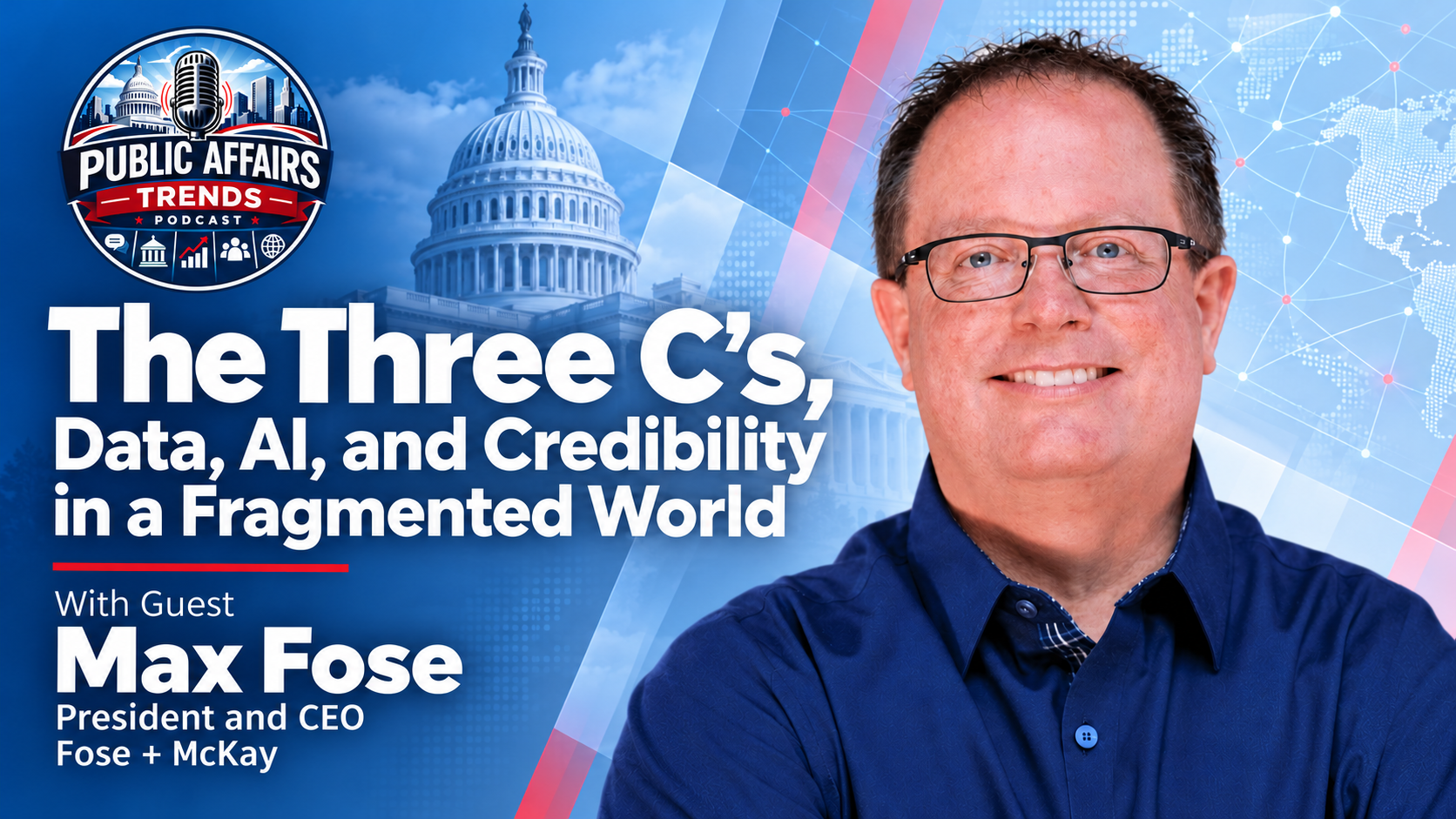
Max Fose on Public Affairs: The Three C's, Data, AI, and Credibility in a Fragmented World
with Max Fose
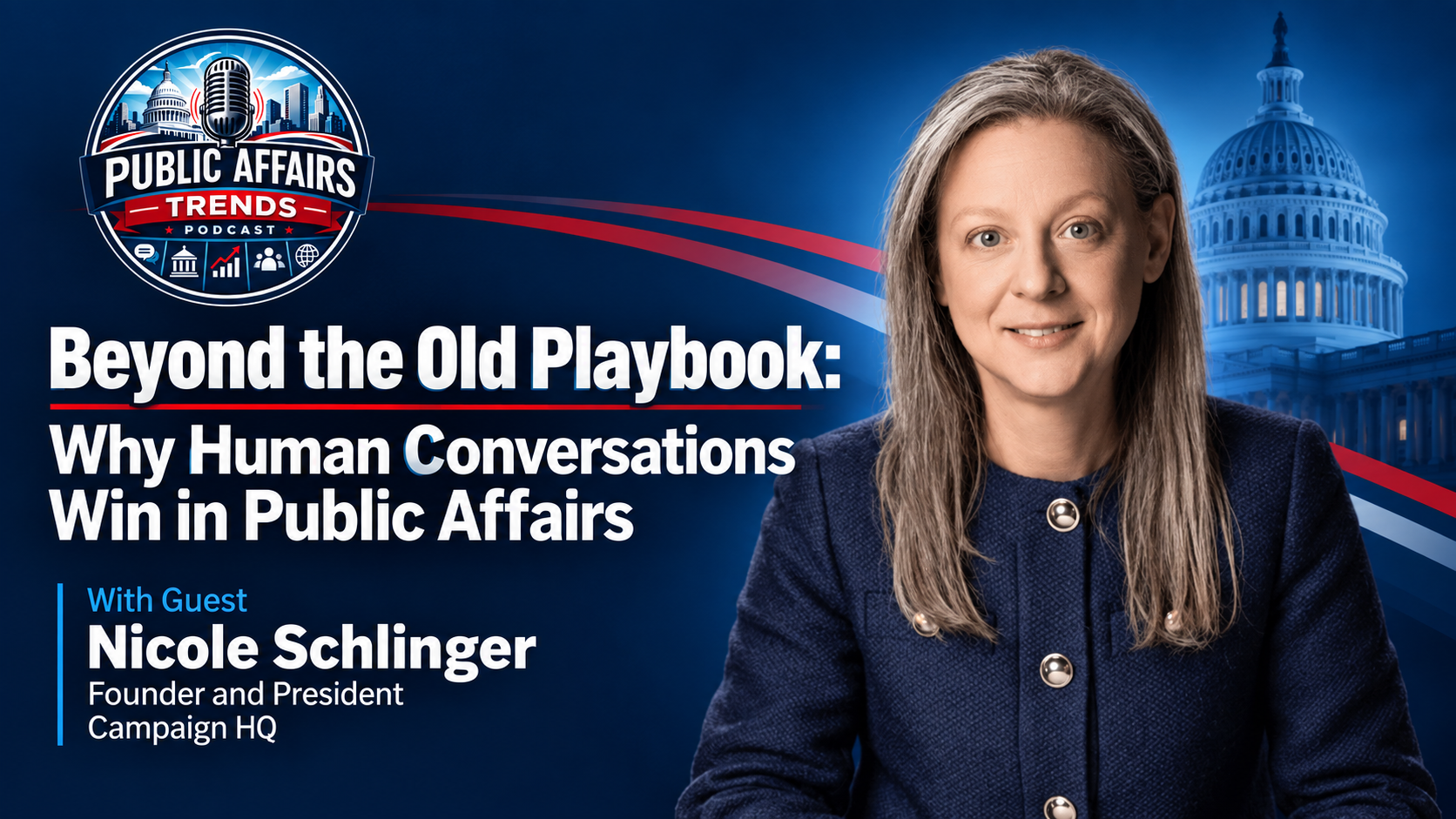
Beyond the Old Playbook: Why Human Conversations Win in Public Affairs
with Nicole Schlinger
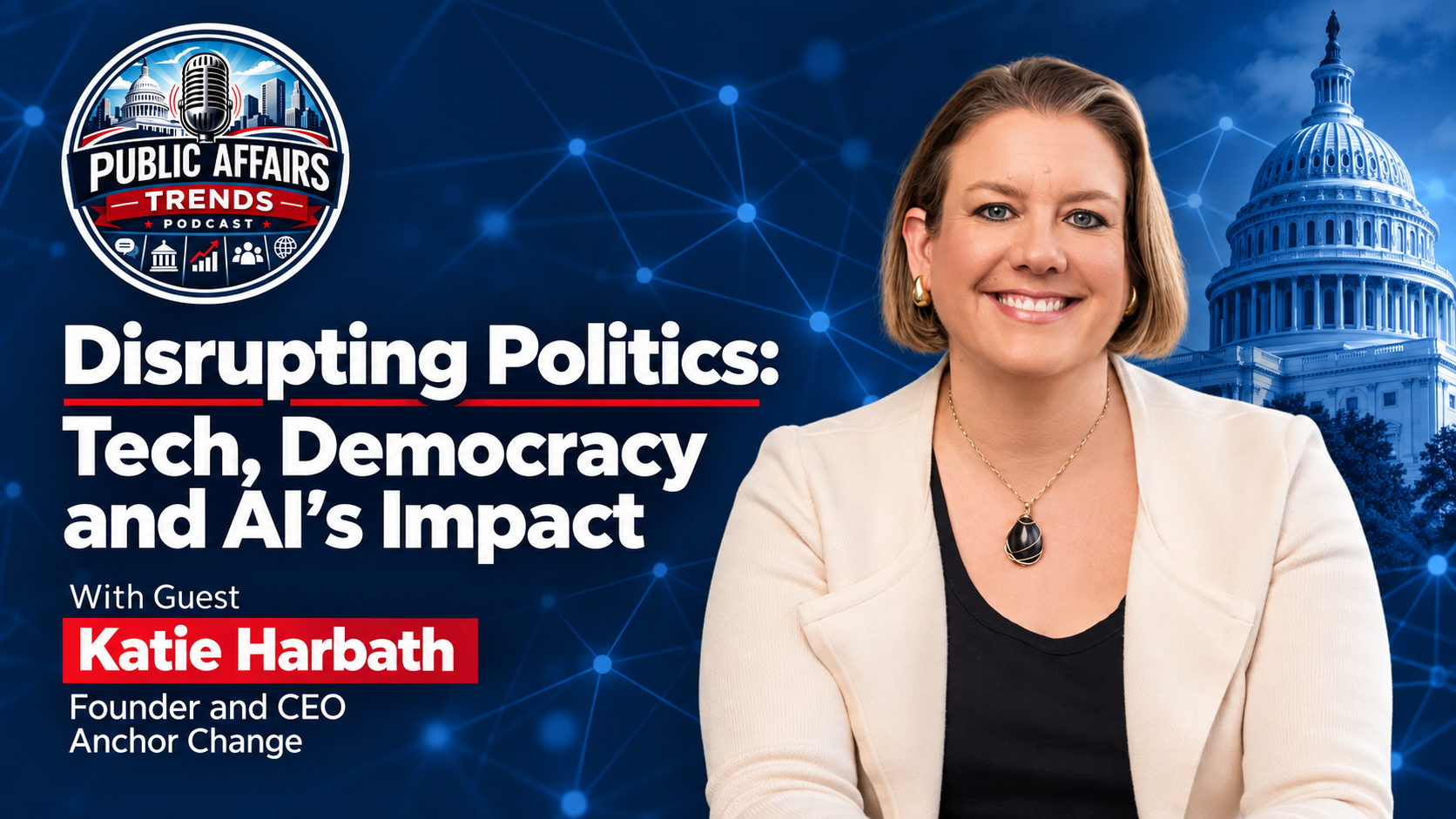
Disrupting Politics: Katie Harbath on Tech, Democracy and AI’s Impact
with Katie Harbath
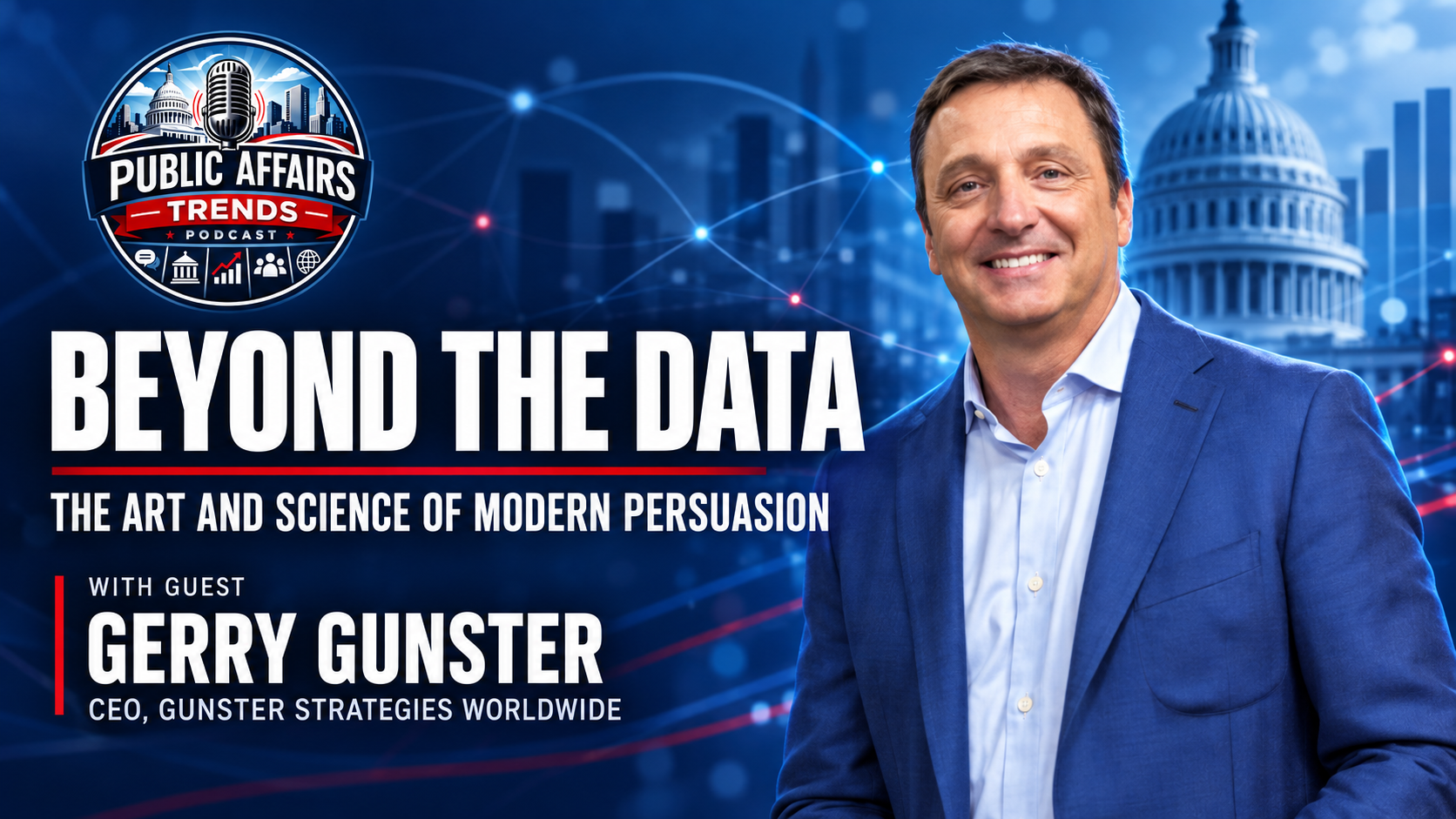
Beyond the Data: The Art and Science of Modern Persuasion
with Gerald Gunster